
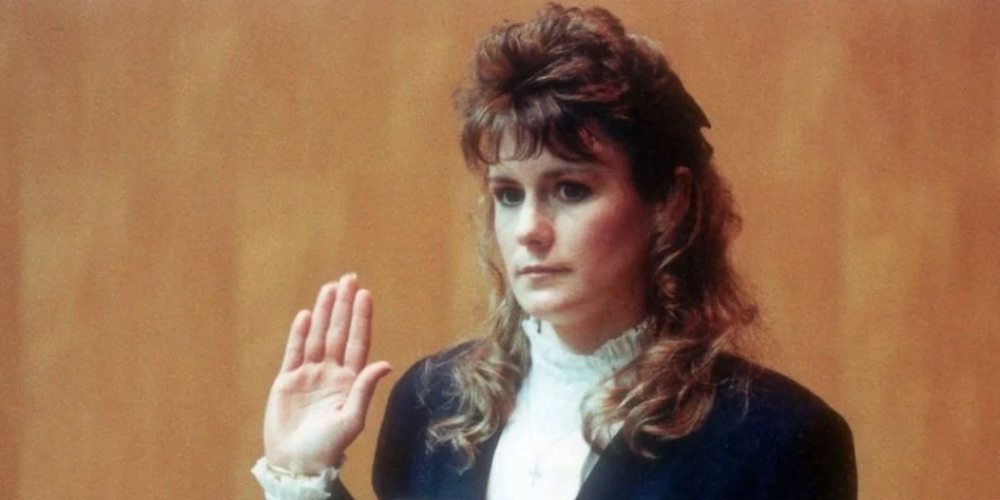
Judge Dismisses Pamela Smart’s New Trial Petition in 1990 Murder Case
Pamela Smart’s latest attempt to overturn her conviction has been rejected by a New Hampshire judge. Smart, who is serving life in prison for her role in the 1990 killing of her husband, Gregory Smart, had asked the court to grant her a new trial.
The judge dismissed her petition after reviewing the arguments raised by her attorneys.
Smart, now 59, filed a habeas corpus petition in January. Her lawyers argued that several constitutional issues had affected her conviction and requested relief from her life sentence.
Merrimack County Superior Court Judge James Kennedy held a hearing in July. On Thursday, he granted the state’s request to dismiss the petition. Kennedy said Smart’s earlier appeals had already raised some claims.
She also could have raised the other claims during those appeals. He found no valid reason to overturn her conviction based on the arguments in the petition.
Smart was 22 and working as a high school media coordinator when she began a relationship with 15-year-old student William Flynn. Flynn later became involved in the plot to kill Smart’s husband.
Questions Over Trial Transcripts
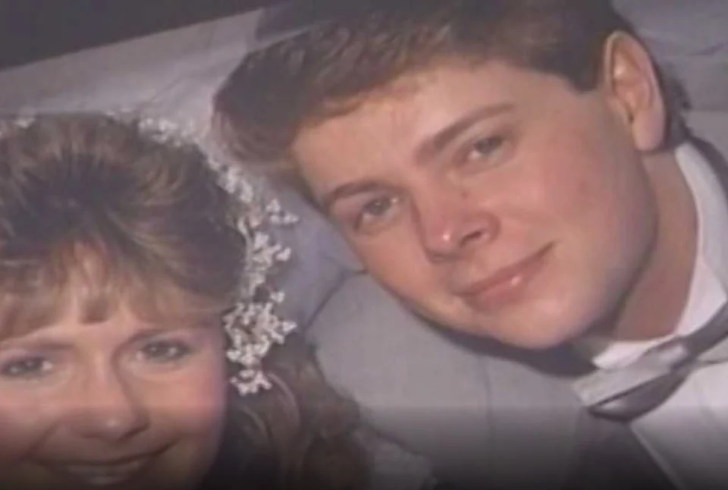
Instagram | thescaryfact | Pamela Smart lost her latest appeal for a new trial in the 1990 murder of her husband, Gregory Smart.
One key issue involved secretly recorded conversations between Smart and Flynn. Her attorneys said prosecutors gave the jury transcripts that included words the recordings did not clearly contain.
The disputed words included “killed” in the statement “you had your husband killed,” “busted” in “I’m gonna be busted,” and “murder” in “this would have been the perfect murder.”
Smart’s legal team cited a forensic study that examined how written transcripts can affect people listening to unclear audio. The study suggested that listeners may rely on written words even when those words do not match what they can actually hear.
Kennedy questioned the study’s relevance. He noted that the study was not published or available in full. He also said the description provided by Smart’s lawyers did not establish specific inaccuracies in the transcripts.
The judge also rejected arguments involving intense media coverage and allegedly faulty jury instructions.
The 1990 Killing
Gregory Smart was fatally shot in Derry, New Hampshire, in 1990. Prosecutors argued that Smart helped orchestrate the killing through her relationship with Flynn.
Flynn testified that Smart wanted her husband killed because she feared losing everything in a divorce. He also said she threatened to end their relationship if he refused to participate.
Smart initially denied knowing about the plan. In 1991, however, a jury convicted her as an accomplice to first-degree murder along with other offenses. She received a life sentence without parole.
Her trial became one of the first major U.S. criminal trials to receive live television coverage from beginning to end.
Flynn served 25 years before his release in 2015. Three other teenagers involved in the killing also cooperated with prosecutors and have since been released.
Smart’s Change in Account
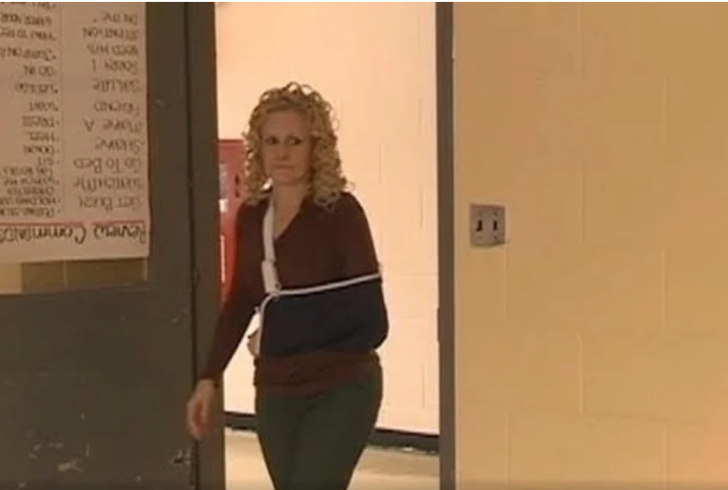
Instagram | thescaryfact | In 2024, Smart finally took responsibility for her husband’s death after decades of denial.
For decades, Smart maintained that she did not know about the plan to kill her husband. In 2024, she accepted responsibility for his death and said she had spent years shifting blame “almost as if it was a coping mechanism.”
Her latest court petition still challenged aspects of the original proceedings, but Kennedy found those claims insufficient to reopen the case.
The Smart case attracted widespread attention because of the murder, the relationship between a school employee and a student, and the highly publicized trial.
The case later inspired Joyce Maynard’s 1992 book “To Die For.” A 1995 film with the same title followed, starring Nicole Kidman and Joaquin Phoenix.
The latest ruling leaves Smart’s life-without-parole sentence in place. The decision also marks another unsuccessful attempt to challenge the conviction that has kept her imprisoned for more than three decades.
The case remains notable in U.S. criminal justice history for its unusual trial coverage, the involvement of teenage defendants, and the lasting public interest surrounding the 1990 killing of Gregory Smart.
More in Criminal Attorney
-
 Sarah Ferguson Refuses “Newsnight” Interview as Epstein Links Resurface
Public attention has once again turned toward Sarah Ferguson, yet the former royal figure is choosing silence over headlines. As fresh...
May 8, 2026 -
 When Can a Credit Card Company Sue You? Know Your Rights
Credit card debt can move from manageable to stressful when payments fall behind. Once accounts remain unpaid for a longer stretch,...
April 30, 2026 -
 Michigan Woman Accused of Locking Sister-in-Law in Basement for Two Years
A disturbing case in Saginaw, Michigan has raised serious concerns after a 58-year-old woman was allegedly held inside a basement for...
April 23, 2026 -
 Kentucky Overrides Veto to Shield Bayer From Roundup Cancer Lawsuits
A major legal and political development has unfolded in Kentucky as lawmakers moved to override Governor Andy Beshear’s veto on legislation...
April 17, 2026 -
 The Duchess of York Sarah Ferguson’s Shocking Ties to Jeffery Epstein Exposed
Sarah Ferguson, better known as ‘Fergie,’ has lived a life that rarely stays quiet. She has moved between royal privilege and...
April 10, 2026 -
 New Housing Law May Help Renters Become Homeowners More Easily
For years, renting felt like a financial dead end for many people. You pay on time every month, yet your credit...
April 4, 2026 -
 Colorado Law Bars Adult Prosecution for 11-YO Accused of Killing His Minor Brother
A quiet neighborhood in Centennial, Colorado, became the center of a heartbreaking investigation after a five-year-old boy was found dead inside...
March 29, 2026 -
 How to Handle Unpleasant Family Habits at Home Without Conflict
Family life isn’t always easy, particularly when someone’s habits start clashing with the way a household runs. From awkward bathroom routines...
March 29, 2026 -
 Britney Spears Rep Calls DUI Arrest an “Inexcusable Incident”
Britney Spears has spent decades in the public eye, but the latest headline about the pop icon carries a serious tone....
March 22, 2026
More From Lawyers Favorite
-
 Criminal AttorneyJudge Dismisses Pamela Smart’s New Trial Petition in 1990 Murder Case
Pamela Smart’s latest attempt to overturn her conviction has been rejected by a New Hampshire judge. Smart, who is serving life...
October 1, 2026 -
 Celeb JusticeJudge Denies Release for Tate Brothers in UK Extradition Case
Andrew and Tristan Tate will remain in federal custody in Miami while they fight a British request to extradite them to...
September 25, 2026 -
 Legal AdviceDavid Yannetti Praises Lindsay Clancy’s Lawyer Amid Jury Deadlock
The Lindsay Clancy murder trial has reached another tense stage as jurors remain unable to reach a unanimous verdict. After six...
September 18, 2026 -
 Law DegreeLaw School Applications Reach Record High for 2026
Law school demand continues to rise, with applications for fall 2026 reaching another record level. New statistics from the Law School...
September 11, 2026 -
 Criminal AttorneyTupac Murder Trial Takes a Turn as Defense Calls Davis’ Claims “Bullshit”
The murder trial of Tupac Shakur has taken an unusual turn. Duane “Keffe D” Davis, the former gang leader accused of...
September 3, 2026