
Tupac Murder Trial Takes a Turn as Defense Calls Davis’ Claims “Bullshit”
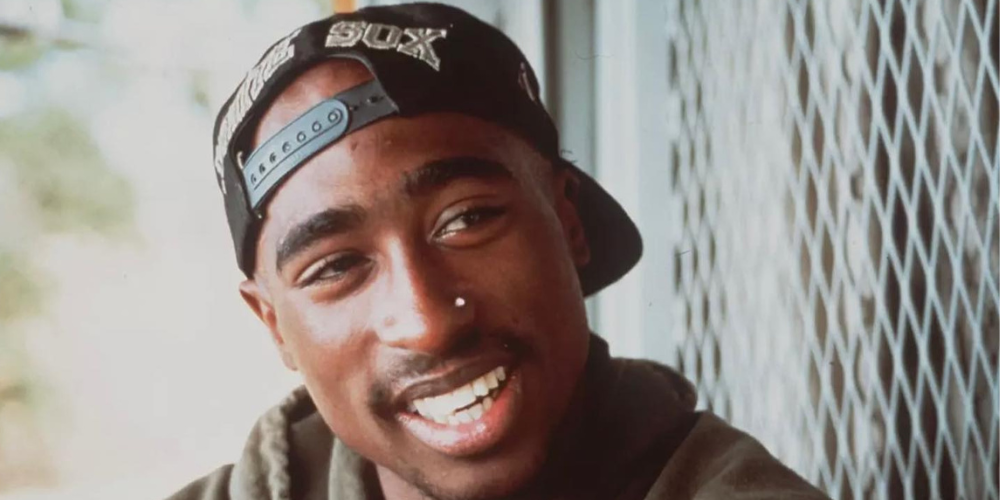
The murder trial of Tupac Shakur has taken an unusual turn. Duane “Keffe D” Davis, the former gang leader accused of helping orchestrate the 1996 drive-by shooting, faces prosecutors who point to his own past statements as key evidence. His defense, however, is asking jurors to reject those statements and question whether Davis simply made them up.
Davis, 63, was arrested 27 years after Shakur was killed near the Las Vegas Strip. He has pleaded not guilty to the murder charge.
Police had suspected Davis for years, but investigators said his public comments strengthened the case. In media interviews and his 2019 book, “Compton Street Legend,” Davis described sitting inside a white Cadillac with the men involved in the shooting. He also said he handed a gun to two people in the backseat.
Those statements now sit at the center of the trial.
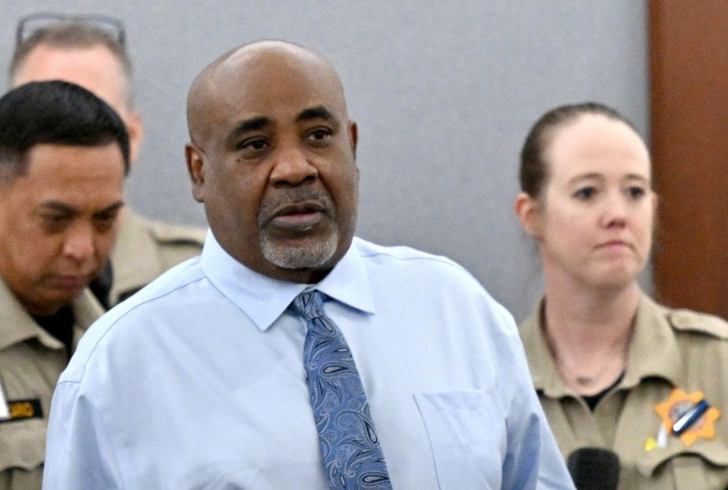
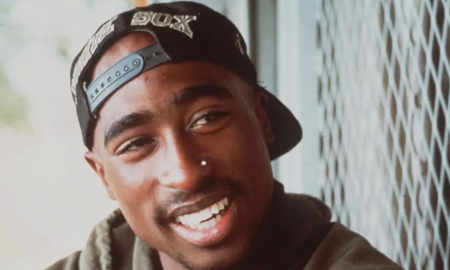
Instagram | news24arts | Davis was arrested 27 years after Tupac Shakur’s murder after publicly admitting his involvement in the shooting.
Instead of trying to prove that Davis never made the comments, defense attorney Michael Sanft is taking a different approach. He told jurors to question whether anything independently confirms Davis’ version of events.
During his opening statement, Sanft displayed a slide containing one word: “BULLSHIT.”
He asked jurors, “What facts do you have to support any of what Keffe D said in any of his interviews or the book?”
The argument suggests Davis may have exaggerated his role to gain attention and sell his memoir.
A Risky Defense
Defense lawyer and former prosecutor Catherine Christian said the strategy may be Davis’ strongest option. She noted that defendants involved in gang culture, as well as rappers facing scrutiny over incriminating lyrics, can sometimes make statements that attract attention without providing reliable evidence.
Christian said jurors could believe Davis created a dramatic story to increase interest in his book.
Still, the approach carries a serious problem. If Davis tells jurors that his earlier statements were false, he must explain why his current account deserves their trust.
Defense attorney Neil Rockind, who follows the case, called the situation a “paradox.” He said witnesses may struggle to challenge their own words when prosecutors use those same statements as the foundation of their case.
What Happened in 1996?
Shakur was shot in Las Vegas on September 7, 1996, after an altercation at the MGM Grand involving Davis’ nephew and Shakur’s associates, including rap producer Marion “Suge” Knight.
In “Compton Street Legend,” Davis wrote that the confrontation gave the group what he described as an “ultimate green light” to retaliate.
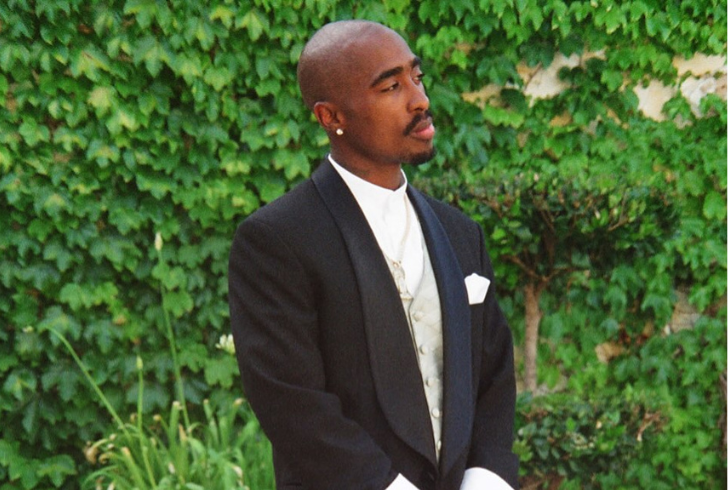
Instagram | 2pac | Tupac Shakur was shot in Las Vegas on September 7, 1996, following a brawl at the MGM Grand.
According to Davis’ account, he later traveled in a white Cadillac with three other men. He said he handed a gun to two men in the backseat. One of them allegedly fired at the vehicle carrying Shakur and Knight.
Police never identified the person who fired the fatal shots. Investigators have described Davis as a “mastermind” who helped obtain the weapon.
Under Nevada law, prosecutors can pursue a murder charge against someone who participates in a killing even if that person did not pull the trigger.
The Burden on Prosecutors
The prosecution must prove Davis’ guilt beyond a reasonable doubt. Jurors also must reach a unanimous verdict before they can convict him.
Davis could potentially testify and explain why his earlier statements differ from the defense position. However, doing so would expose him to detailed questioning from prosecutors.
Rockind said prosecutors would likely focus heavily on Davis’ changing account and his previous public statements.
The trial is expected to last as long as six weeks. Shakur’s relatives have attended proceedings and expressed hope that the case can finally provide some measure of closure.
The case now hinges on a difficult question: were Davis’ public statements admissions of his involvement, or exaggerated claims that prosecutors are treating as evidence?
His defense is asking jurors to view those statements as unreliable, while prosecutors will seek to show that Davis’ own words reveal his role in the killing. The jury will ultimately decide whether his earlier story carries enough weight to support a conviction.
More in Criminal Attorney
-
 Michigan Woman Accused of Locking Sister-in-Law in Basement for Two Years
A disturbing case in Saginaw, Michigan has raised serious concerns after a 58-year-old woman was allegedly held inside a basement for...
April 23, 2026 -
 Kentucky Overrides Veto to Shield Bayer From Roundup Cancer Lawsuits
A major legal and political development has unfolded in Kentucky as lawmakers moved to override Governor Andy Beshear’s veto on legislation...
April 17, 2026 -
 The Duchess of York Sarah Ferguson’s Shocking Ties to Jeffery Epstein Exposed
Sarah Ferguson, better known as ‘Fergie,’ has lived a life that rarely stays quiet. She has moved between royal privilege and...
April 10, 2026 -
 New Housing Law May Help Renters Become Homeowners More Easily
For years, renting felt like a financial dead end for many people. You pay on time every month, yet your credit...
April 4, 2026 -
 Colorado Law Bars Adult Prosecution for 11-YO Accused of Killing His Minor Brother
A quiet neighborhood in Centennial, Colorado, became the center of a heartbreaking investigation after a five-year-old boy was found dead inside...
March 29, 2026 -
 How to Handle Unpleasant Family Habits at Home Without Conflict
Family life isn’t always easy, particularly when someone’s habits start clashing with the way a household runs. From awkward bathroom routines...
March 29, 2026 -
 Britney Spears Rep Calls DUI Arrest an “Inexcusable Incident”
Britney Spears has spent decades in the public eye, but the latest headline about the pop icon carries a serious tone....
March 22, 2026 -
 Atlanta Woman Arrested in $79K Fraud After Impersonating Sheriff Captain
Authorities in Florida recently exposed a disturbing fraud operation that relied on fear, impersonation, and digital money transfers. Investigators say a...
March 22, 2026 -
 GOP Senators Urge Justice Department to Release All Trump Epstein Files
Republican senators are turning up the pressure on the Justice Department. They want every document tied to Jeffrey Epstein released to...
March 15, 2026
More From Lawyers Favorite
-
 Legal AdviceDavid Yannetti Praises Lindsay Clancy’s Lawyer Amid Jury Deadlock
The Lindsay Clancy murder trial has reached another tense stage as jurors remain unable to reach a unanimous verdict. After six...
September 18, 2026 -
 Law DegreeLaw School Applications Reach Record High for 2026
Law school demand continues to rise, with applications for fall 2026 reaching another record level. New statistics from the Law School...
September 11, 2026 -
 Criminal AttorneyTupac Murder Trial Takes a Turn as Defense Calls Davis’ Claims “Bullshit”
The murder trial of Tupac Shakur has taken an unusual turn. Duane “Keffe D” Davis, the former gang leader accused of...
September 3, 2026 -
 Celeb JusticeKenny Chesney Wins Court Case in $300K Online Scam
A California appeals court has ruled in favor of country singer Kenny Chesney after a fan sued him over an online...
August 27, 2026 -
 Legal AdviceSprouts $5M Settlement – Eligibility, Deadline and Details
A $5 million proposed settlement involving Sprouts Farmers Market could provide payments to eligible grocery shoppers who received receipts containing too...
August 20, 2026