
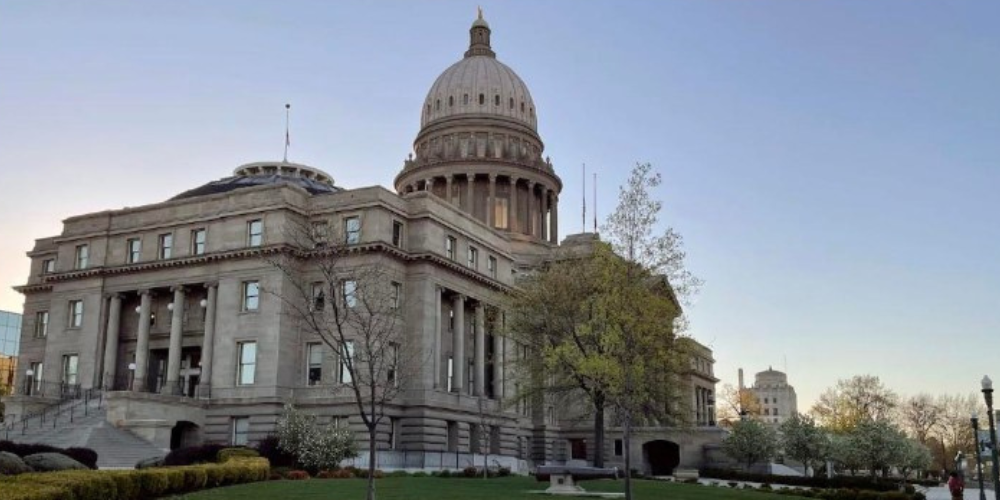
Idaho Bathroom Law Faces Federal Lawsuit by Transgender Residents
A new Idaho law restricting restroom access has triggered a federal court challenge from transgender residents who say it places daily life under strain. The lawsuit, filed in Boise, brings national attention to how public facility rules intersect with personal identity and legal protections.
Six residents are now asking a federal judge to strike down the measure, arguing it exposes them to criminal penalties simply for using restrooms aligned with their gender identity. The case has drawn strong legal backing and sparked debate across the state.
Lawsuit Filed in Boise
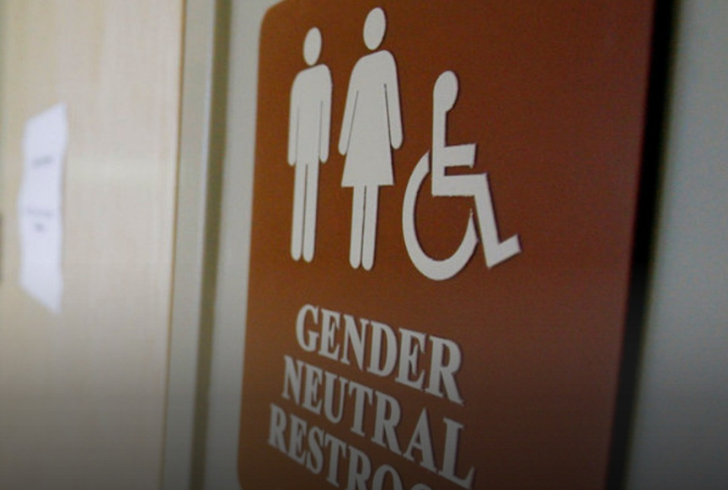
Instagram | idahonews6 | Transgender Idahoans are suing the state over a new law that restricts their access to public restrooms.
The legal complaint was submitted by six Idaho residents: Diego Fable, Amelia Milette, Emilie Jackson-Edney, Daniel Doe, Peter Poe, and Zoey Wagner. They are represented by the American Civil Liberties Union (ACLU), its Idaho affiliate, Lambda Legal, along with legal teams from Munger, Tolles & Olson and Alturas Law Group.
Filed in federal court in Boise, the lawsuit challenges the state’s authority to enforce bathroom restrictions inside both public buildings and private businesses. The plaintiffs argue the law creates a situation where everyday activities become legally risky.
Legal representatives stated in the filing that “like any non-transgender Idahoans … [they] need to use restrooms while they are in public,” stressing that the law places individuals at risk of “life-changing criminal penalties or physical and psychological harm” for routine restroom use.
What the Law Says
Governor Brad Little signed H.B. 752 after approval from Idaho’s Republican-led Legislature. The law introduces criminal penalties tied to restroom usage based on sex designation.
Key provisions include:
1. Using a restroom designated for the “opposite sex” knowingly can lead to a misdemeanor charge
2. First offense: up to one year in county jail
3. Second offense: felony charge with up to five years in prison
4. Applies not only to government buildings but also private businesses open to the public
The scope of the law extends across everyday spaces such as shopping centers, hospitals, libraries, airports, gas stations, and rest stops. It is scheduled to take effect on July 1 and stands out nationally for including private establishments under its enforcement reach.
Voices and Concerns
For plaintiff Diego Fable, the law quickly became a source of daily anxiety. “I felt a heavy lump grow in my chest,” Fable said in a statement shared through the ACLU. He explained that even simple activities outside his home became difficult. He often wondered whether following the law meant using facilities that did not match his identity. In some cases, he had to travel longer distances just to avoid legal risks.
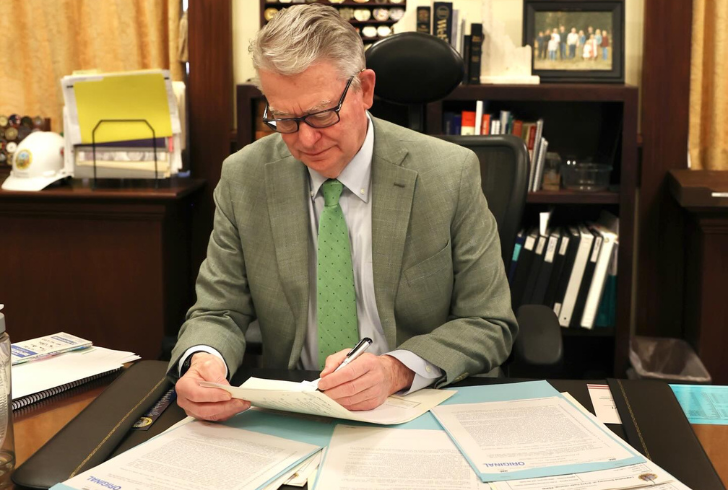
Instagram | governorbradlittle | H.B. 752, signed by Governor Little, imposes criminal penalties for sex-based restroom violations in Idaho.
Fable, who transitioned six years ago, added that using men’s restrooms has generally not created issues. However, the new restrictions would force a shift that could bring unwanted attention. “Doing so would only invite suspicion, questions, and raised eyebrows,” he said, noting that isolation could become part of everyday life.
Law enforcement groups also raised concerns during the bill’s discussion. The Idaho Fraternal Order of Police and the Idaho Chiefs of Police Association said there is no clear or practical way to determine a person’s sex in field situations. Doing so could require invasive checks or uncomfortable questioning.
State Representative Cornel Rasor, who sponsored the bill, defended its intent during legislative debate. He said it aims to “prevent discomfort and voyeurism escalation and assaults,” while still allowing emergency access and limited exceptions.
As the law nears its effective date, a federal court will decide if it follows constitutional protections. The case puts Idaho’s policy under close review. The arguments focus on safety, privacy, and civil rights in shared public spaces.
More in Criminal Attorney
-
 Sarah Ferguson Refuses “Newsnight” Interview as Epstein Links Resurface
Public attention has once again turned toward Sarah Ferguson, yet the former royal figure is choosing silence over headlines. As fresh...
May 8, 2026 -
 When Can a Credit Card Company Sue You? Know Your Rights
Credit card debt can move from manageable to stressful when payments fall behind. Once accounts remain unpaid for a longer stretch,...
April 30, 2026 -
 Michigan Woman Accused of Locking Sister-in-Law in Basement for Two Years
A disturbing case in Saginaw, Michigan has raised serious concerns after a 58-year-old woman was allegedly held inside a basement for...
April 23, 2026 -
 Kentucky Overrides Veto to Shield Bayer From Roundup Cancer Lawsuits
A major legal and political development has unfolded in Kentucky as lawmakers moved to override Governor Andy Beshear’s veto on legislation...
April 17, 2026 -
 The Duchess of York Sarah Ferguson’s Shocking Ties to Jeffery Epstein Exposed
Sarah Ferguson, better known as ‘Fergie,’ has lived a life that rarely stays quiet. She has moved between royal privilege and...
April 10, 2026 -
 New Housing Law May Help Renters Become Homeowners More Easily
For years, renting felt like a financial dead end for many people. You pay on time every month, yet your credit...
April 4, 2026 -
 Colorado Law Bars Adult Prosecution for 11-YO Accused of Killing His Minor Brother
A quiet neighborhood in Centennial, Colorado, became the center of a heartbreaking investigation after a five-year-old boy was found dead inside...
March 29, 2026 -
 How to Handle Unpleasant Family Habits at Home Without Conflict
Family life isn’t always easy, particularly when someone’s habits start clashing with the way a household runs. From awkward bathroom routines...
March 29, 2026 -
 Britney Spears Rep Calls DUI Arrest an “Inexcusable Incident”
Britney Spears has spent decades in the public eye, but the latest headline about the pop icon carries a serious tone....
March 22, 2026
More From Lawyers Favorite
-
 Criminal AttorneyJudge Dismisses Pamela Smart’s New Trial Petition in 1990 Murder Case
Pamela Smart’s latest attempt to overturn her conviction has been rejected by a New Hampshire judge. Smart, who is serving life...
October 1, 2026 -
 Celeb JusticeJudge Denies Release for Tate Brothers in UK Extradition Case
Andrew and Tristan Tate will remain in federal custody in Miami while they fight a British request to extradite them to...
September 25, 2026 -
 Legal AdviceDavid Yannetti Praises Lindsay Clancy’s Lawyer Amid Jury Deadlock
The Lindsay Clancy murder trial has reached another tense stage as jurors remain unable to reach a unanimous verdict. After six...
September 18, 2026 -
 Law DegreeLaw School Applications Reach Record High for 2026
Law school demand continues to rise, with applications for fall 2026 reaching another record level. New statistics from the Law School...
September 11, 2026 -
 Criminal AttorneyTupac Murder Trial Takes a Turn as Defense Calls Davis’ Claims “Bullshit”
The murder trial of Tupac Shakur has taken an unusual turn. Duane “Keffe D” Davis, the former gang leader accused of...
September 3, 2026