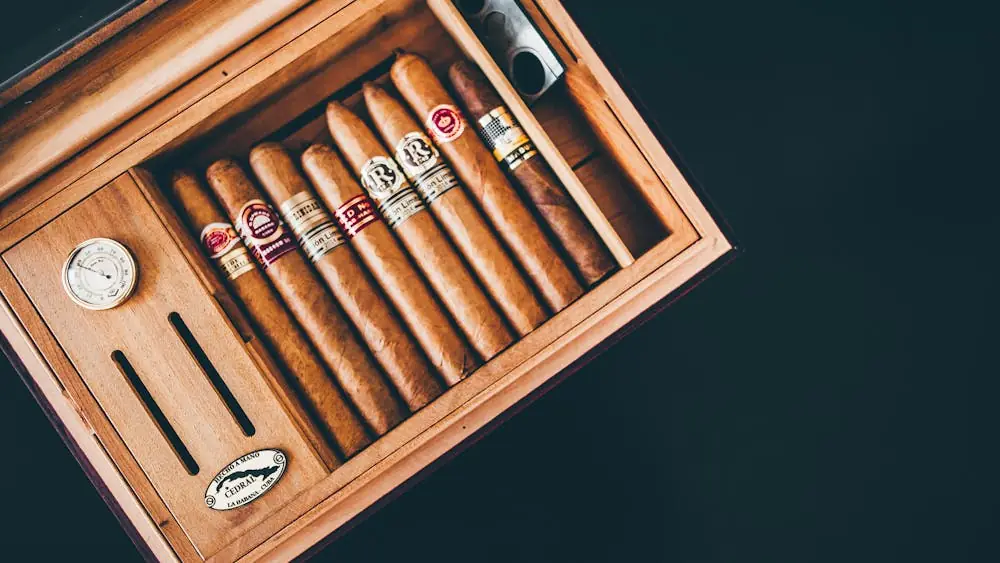
Why are Cuban cigars illegal? Cuban cigars hold a mystique that transcends their smoke and aroma. They have long been sought after by fans worldwide as a symbol of luxury and sophistication. Yet, in the United States, these prized possessions come with a taboo – they are illegal. Cuban cigars are illegal because of a historical tapestry that spans over six decades, involving Cold War tensions and a presidential embargo that remains in place today.

The Historical Context
The story begins in 1959, when Fidel Castro’s revolution transformed Cuba into a communist state, aligning itself closely with the Soviet Union. This shift rattled the United States, deeply entrenched in the Cold War, a global standoff pitting democracy against communism. Relations between the U.S. and Cuba quickly soured, setting the stage for a legal and economic standoff that would extend into the 21st century.
Why Are Cuban Cigars Illegal in the U.S.?
In response to Cuba’s newfound alliance with the USSR, President John F. Kennedy, in 1962, made the decisive move to isolate Cuba economically from the United States. He signed into law an embargo that prohibited American citizens from doing business with Cuba. This law included a ban on importing Cuban cigars, a luxury item symbolizing the economic and cultural exchanges now severed by political ideology. Despite changes in leadership and fluctuations in diplomatic relations, this embargo has stubbornly persisted, keeping Cuban cigars out of the hands of American consumers.
A Presidential Anecdote
In a twist of historical irony, before the embargo was officially in place, President Kennedy reportedly instructed his press secretary, Pierre Salinger, to stockpile 1,000 Cuban cigars for his personal use. Only after securing his stash did Kennedy sign the embargo into law, which has amused and intrigued historians and cigar lovers alike. This anecdote highlights the complex interplay of personal desire and political necessity that has characterized the U.S.-Cuba relationship.
Why Cuban Cigars?
What sets Cuban cigars apart? It’s a combination of the island’s unique climate, the quality of its soil, and the unparalleled expertise of its torcedores (cigar rollers) that has been refined over centuries. These factors contribute to the distinctive flavor profile of Cuban cigars, often described as rich, robust, and complex. While other countries, such as Nicaragua, the Dominican Republic, and Honduras, produce exceptional cigars, specialists argue that there’s something irreplaceable about a genuine Cuban.

The Impact of the Ban Today
The embargo’s restrictions on Cuban cigars carry heavy penalties, including fines of up to $250,000 and prison sentences of up to 10 years for those caught importing them into the U.S. However, enforcement tends to focus more on businesses and large-scale smugglers than individual consumers. Despite these risks, the allure of Cuban cigars continues to tempt enthusiasts, leading some to question the embargo’s effectiveness and future.
Navigating the Ban
There are alternatives for those seeking the Cuban cigar experience without legal repercussions. Regions like Nicaragua, the Dominican Republic, and Honduras have emerged as premier cigar-producing areas, offering products that rival Cuba’s quality and complexity. Engaging with these legal markets respects the embargo and supports the global appreciation and diversity of cigar culture.
Conclusion
As the world changes and old tensions give way to new understandings, the possibility of the U.S. lifting its embargo on Cuban goods, including cigars, seems ever more plausible. Until that day, the story of why Cuban cigars are illegal is a fascinating chapter in the broader narrative of U.S.-Cuba relations, reflecting the intricate dance of politics, culture, and the timeless pursuit of luxury.